Automation in Modern Process Industries: The Role of Actuators
- Industrial
- Feb 05, 2026
- 8 Views
Automation in Modern Process Industries: The Role of Actuators
Introduction
Modern process industries are rapidly moving toward automation to improve safety, efficiency, and operational control. From power plants and oil refineries to water treatment facilities and heavy manufacturing units, automation plays a central role in maintaining consistency and reducing human intervention.
At the heart of industrial automation systems are actuators. These devices convert energy into mechanical motion to control valves and dampers. Without actuators, precise flow control and remote operation would not be possible.
This article explains the role of actuators in modern process industries and why selecting the right actuator system is critical for performance and reliability.
What Is an Actuator?
An actuator is a mechanical device that operates valves, dampers, or other flow control equipment by converting energy into movement.
Actuators can be powered by:
• Electricity
• Compressed air
• Hydraulic pressure
They allow industrial systems to automate opening, closing, and regulating operations without manual handling.
Why Automation Is Essential in Modern Industries
Process industries deal with:
• High temperatures
• High pressures
• Hazardous materials
• Continuous production cycles
Manual operation in such environments increases risk and reduces precision.
Automation provides:
• Remote control capability
• Accurate positioning
• Emergency shutdown functionality
• Reduced human error
• Improved safety compliance
This is why actuators are now a core part of industrial process control systems.
Types of Industrial Actuators
🔹 Electric Actuators
Electric actuators are powered by electric motors and are widely used in automated process plants.
Key advantages:
• High positioning accuracy
• Easy integration with PLC/SCADA systems
• Low maintenance
• Suitable for regulating applications
Best suited for: Power plants, water treatment plants, nuclear facilities, and automated manufacturing systems.
Pneumatic Actuators
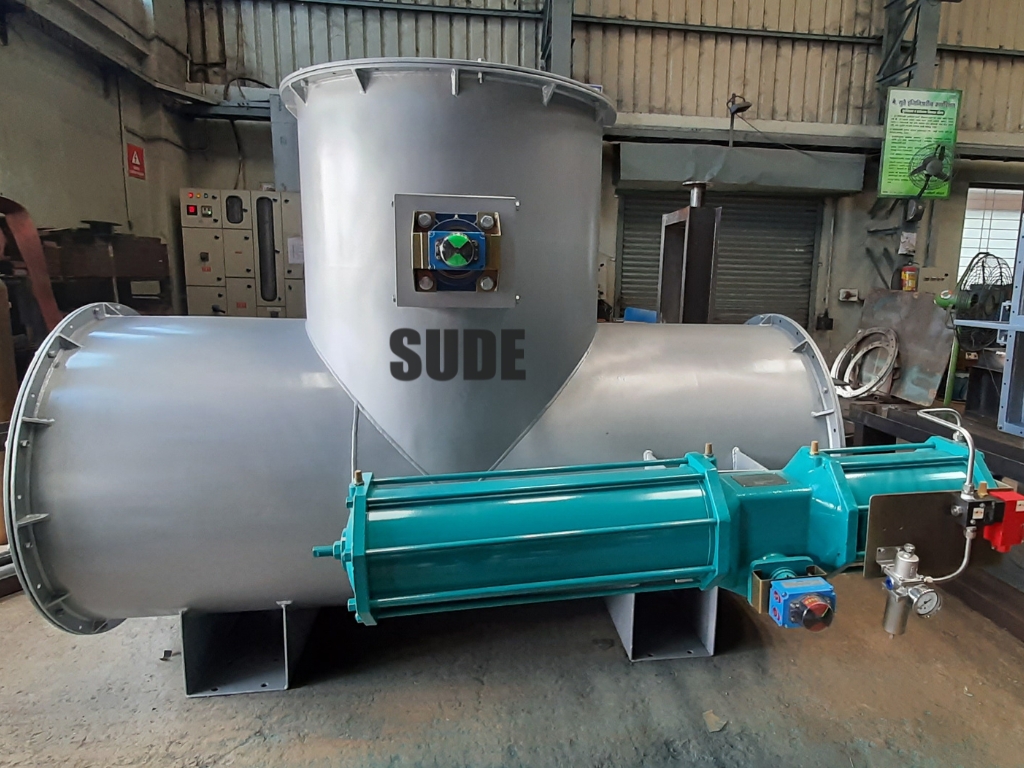
Pneumatic actuators use compressed air to create movement.
Key advantages:
• Fast response time
• Suitable for hazardous environments
• Reliable for on-off applications
• Cost-effective in large plants
Best suited for: Oil & gas plants, chemical industries, and high-speed process operations.
Hydraulic Actuators
Hydraulic actuators use fluid pressure and are designed for heavy-duty applications.
Key advantages:
• High torque output
• Suitable for large-diameter valves and dampers
• Strong performance under extreme load
Best suited for: Steel plants, heavy infrastructure projects, and high-pressure systems.
How Actuators Improve Industrial Efficiency
1️⃣ Precision Flow Control
Automated actuators ensure accurate valve positioning, which improves flow regulation and reduces energy waste.
2️⃣ Safety & Emergency Response
In case of power failure or system malfunction, actuators can be designed with fail-safe mechanisms such as spring return systems to automatically move valves to a safe position.
3️⃣ Reduced Downtime
Automation minimizes manual intervention and operational delays, improving plant productivity.
4️⃣ Energy Optimization
Actuator-controlled valves and dampers optimize air and fluid flow, leading to better fuel efficiency and lower operational costs.
Actuators in Critical Industries
Power Generation
Actuators control steam valves, air dampers, and fuel systems to ensure stable power production.
Oil & Gas
They regulate pipelines, storage systems, and refinery processes under high-pressure conditions.
Water & Municipal Infrastructure
Actuators operate gate valves and flow control systems in water transmission and wastewater plants.
Nuclear Facilities
High-precision electric actuators are used for critical isolation and safety applications where reliability is non-negotiable.
Key Factors When Selecting an Actuator
Choosing the right actuator depends on:
• Torque requirement
• Operating temperature
• Pressure rating
• Control type (On-Off or Modulating)
• Environmental conditions
• Fail-safe requirement
• Integration with control systems
Incorrect actuator sizing can lead to poor performance or premature failure.
Integration with Smart Systems
Modern actuators support:
• Position feedback systems
• Remote diagnostics
• Smart monitoring
• IoT integration
• SCADA and PLC connectivity
This transforms traditional plants into smart, automated industrial systems.
Common Challenges in Actuator Selection
• Underestimating torque requirement
• Ignoring environmental exposure
• Using incorrect control configuration
• Lack of fail-safe mechanism
• Poor integration with automation systems
Proper engineering evaluation avoids these risks.
The Future of Industrial Automation
With Industry 4.0 and smart manufacturing expanding globally, actuator systems are becoming more intelligent and efficient.
Trends include:
• Energy-efficient motors
• Smart sensors
• Predictive maintenance systems
• Remote monitoring solutions
• High-precision modulating control
Automation will continue to drive productivity and safety across industries.
Conclusion
Automation in modern process industries is no longer optional — it is essential. Actuators play a crucial role in enabling safe, efficient, and precise industrial operations.
Whether electric, pneumatic, or hydraulic, selecting the right actuator ensures reliability, energy efficiency, and long-term performance in critical applications.
Investing in engineered actuator solutions strengthens plant safety, reduces downtime, and enhances operational control.
Related Posts