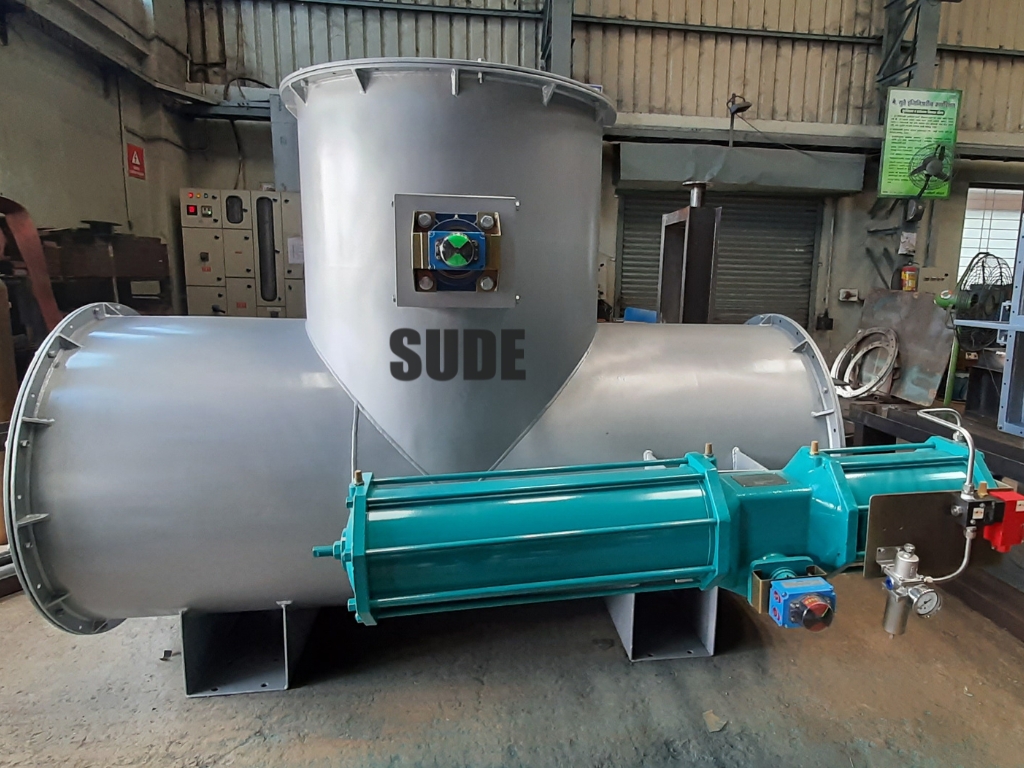
Choosing the Right Valve for High-Pressure Applications

- Industrial
- Feb 10, 2026
- 7 Views
Choosing the Right Valve for High-Pressure Applications
Introduction
n industries like oil & gas, power generation, petrochemicals, water infrastructure, and heavy process plants, high-pressure systems are common. Selecting the wrong valve for these applications can lead to leakage, safety hazards, equipment failure, and costly downtime.
Choosing the right valve for high-pressure applications is not just about size — it requires understanding pressure ratings, materials, flow characteristics, and automation requirements. This guide will help you make the right engineering decision.
Why Valve Selection Matters in High-Pressure Systems
High-pressure environments create extreme mechanical stress on valve components. Improper valve selection can result in:
• Internal leakage
• Seat damage
• Seal failure
• Actuator overload
• Sudden system breakdown
A correctly engineered valve ensures safe isolation, accurate flow control, and long service life under demanding conditions.
Step 1: Understand the Pressure Rating
The first step in choosing the right valve for high-pressure applications is identifying:
• Maximum operating pressure
• Surge pressure
• Pressure class (ANSI / ASME rating)
Valves are categorized into pressure classes such as:
• Class 150
• Class 300
• Class 600
• Class 900 and above
For high-pressure systems, selecting the correct pressure class is critical to avoid structural failure.
Step 2: Select the Right Valve Type
Different valve types perform differently under pressure. Let’s break down the most commonly used options:
🔹 Gate Valves
Ideal for full isolation in high-pressure pipelines. They offer minimal pressure drop when fully open.
Best for: Oil pipelines, water transmission lines, petroleum storage systems.
🔹 Globe Valves
Suitable for throttling and regulating flow in high-pressure systems. They provide better control compared to gate valves.
Best for: Steam lines and high-pressure control applications.
🔹 Ball Valves
Offer quick shut-off and strong sealing performance. High-pressure ball valves are commonly used in oil & gas industries.
Best for: Critical isolation systems.
🔹 Butterfly Valves
Used in large-diameter systems but require careful design in high-pressure conditions.
Best for: Industrial process lines with moderate-to-high pressure
Step 3: Consider Material Compatibility
Material selection is essential for high-pressure valves.
Common materials include:
• Carbon Steel
• Stainless Steel
• Alloy Steel
• Duplex / Super Duplex Steel
Factors to consider:
• Temperature range
• Corrosion resistance
• Fluid type (water, oil, steam, chemicals)
• Abrasive content
Improper material selection can weaken the valve body and reduce its lifespan.
Step 4: Check Sealing Performance
In high-pressure applications, leakage is unacceptable.
Important sealing considerations:
• Metal-to-metal sealing
• Soft-seated design
• Fire-safe certification
• Zero leakage class
For petroleum and gas applications, sealing integrity directly impacts plant safety.
Step 5: Automation & Actuation Requirements
High-pressure systems often require automated operation.
Valves can be integrated with:
• Electric actuators
• Pneumatic actuators
• Hydraulic actuators
Automation allows:
• Remote operation
• Emergency shutdown
• Process control integration
• Reduced manual intervention
Selecting the correct actuator torque is especially important in high-pressure conditions.
Step 6: Evaluate Flow Characteristics
Understanding flow requirements helps determine:
• Cv value
• Flow coefficient
• Pressure drop tolerance
• Turbulence control
In high-pressure systems, improper flow calculation can cause cavitation, vibration, and internal damage.
Step 7: Industry Standards & Certifications
For high-pressure valve applications, compliance is critical.
Look for standards such as:
• ISO 9001
• API standards
• ASME compliance
• Fire-safe certification
Industries like nuclear, oil & gas, and power generation demand strict adherence to safety and quality standards.
Applications of High-Pressure Valves
Oil & Gas Industry
Pipeline isolation, refinery systems, petroleum transfer lines.
Power Plants
Boiler systems, steam lines, turbine isolation.
Water Infrastructure
Municipal transmission pipelines and high-pressure pumping stations.
Petrochemical Plants
Process fluid control and chemical handling systems.
Common Mistakes to Avoid
• Selecting valve based only on size
• Ignoring surge pressure
• Overlooking actuator torque requirements
• Using incorrect sealing class
• Choosing improper body material
These mistakes often lead to premature failure.
Why Engineering Precision Matters
In high-pressure environments, there is no room for compromise. Every component must be engineered to handle stress, temperature, and continuous operation.
Precision manufacturing ensures:
• Structural strength
• Tight sealing
• Long service life
• Reliable performance
The right valve selection protects your system, reduces downtime, and ensures operational safety.
Conclusion
Choosing the right valve for high-pressure applications requires technical evaluation, proper material selection, pressure classification, and automation planning.
Whether it is oil pipelines, power plants, or municipal water systems, the right valve ensures safety, efficiency, and durability.
Investing in engineered valve solutions is not just a purchase decision — it is a long-term operational strategy.
Related Posts